Gambling harm and inequality
Within the area of gambling harms and inequalities, researchers are exploring the impact of gambling harms on children and young people, including the way gambling has become ‘normal’ in the digital age, the impact of influencer marketing on children, and how children from low-income areas or with special educational needs experience gambling harms.
These insights help treatment and support organisations develop tailored interventions to reduce inequalities in gambling harm.

of people from ethnic minority communities who gamble experience gambling problems (PGSI 1+) compared to 23% White British people who gamble.*
* Source: Annual Treatment and Support Survey 2024
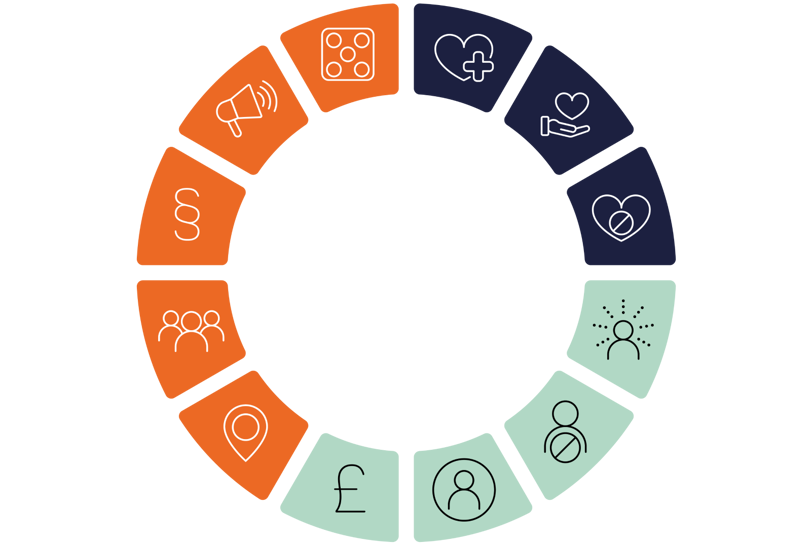
The Gambling Harms Inequalities Framework shows how gambling harms are shaped by three key factors:
Each factor demonstrates how gambling harm is not simply caused by individual choices, but shaped by the social environments people live in, the systems built around them, and barriers to accessing the right support for their specific needs.
Importantly, the Framework shows how these factors intersect and add on to one another, to demonstrate the various wider influences of gambling harm.
People living in deprived areas are more likely to experience gambling harm, as they are exposed to more opportunities to gamble.
This is due to multiple factors in their area, including a higher number of gambling venues, more advertising and an increased exposure to people around them gambling, which can often normalise that behaviour.
The normalisation of gambling places people at greater risk of engaging in it and experiencing gambling harm, especially children and young people.
Also, the stigma attached to gambling harm is experienced much more by those who are already subject to stigma within their social and community context.
Gambling is a public health issue, but current regulation fails to protect those most at risk, reinforcing existing inequalities.
For example, poorly enforced age restrictions can lead to children and young people seeing and engaging with gambling content before understanding the risks.
The gambling industry designs and advertises gambling activities and products which appeal to those more at risk of experiencing gambling harm.
For example, framing gambling as a ‘quick easy win’ or as a ‘treat’ is used to target those experiencing financial.

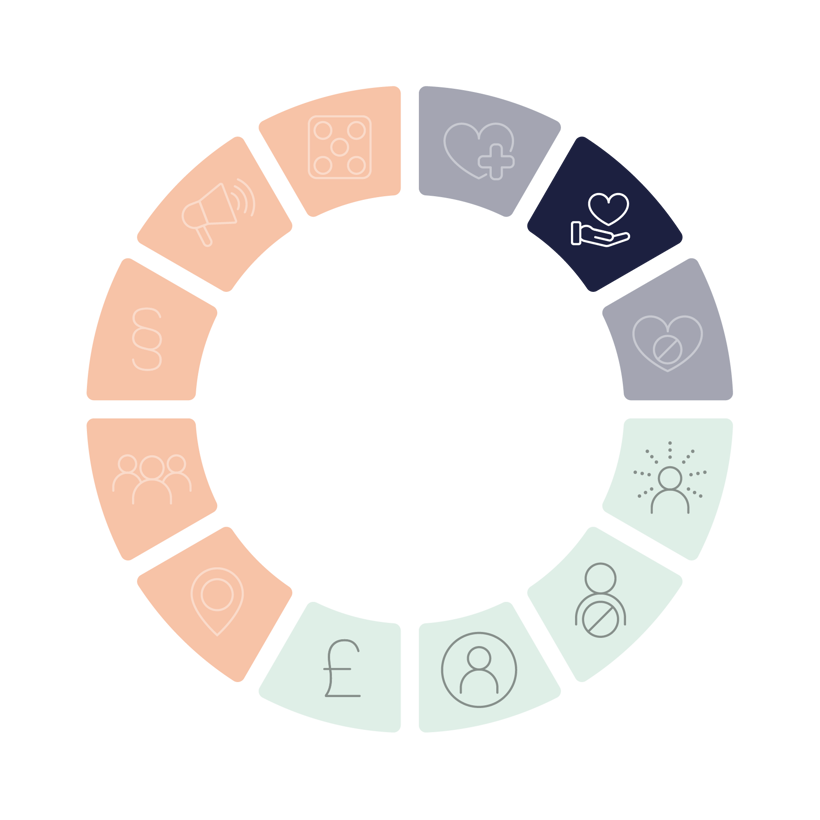
Drivers of gambling harm are systemic and structural factors that directly contribute to harm. Similarly, barriers to support arise from unequal treatment within these same social and structural environments.
These factors underlie the shared experience of gambling harm among diverse groups and are not the result of individual choice or blame.
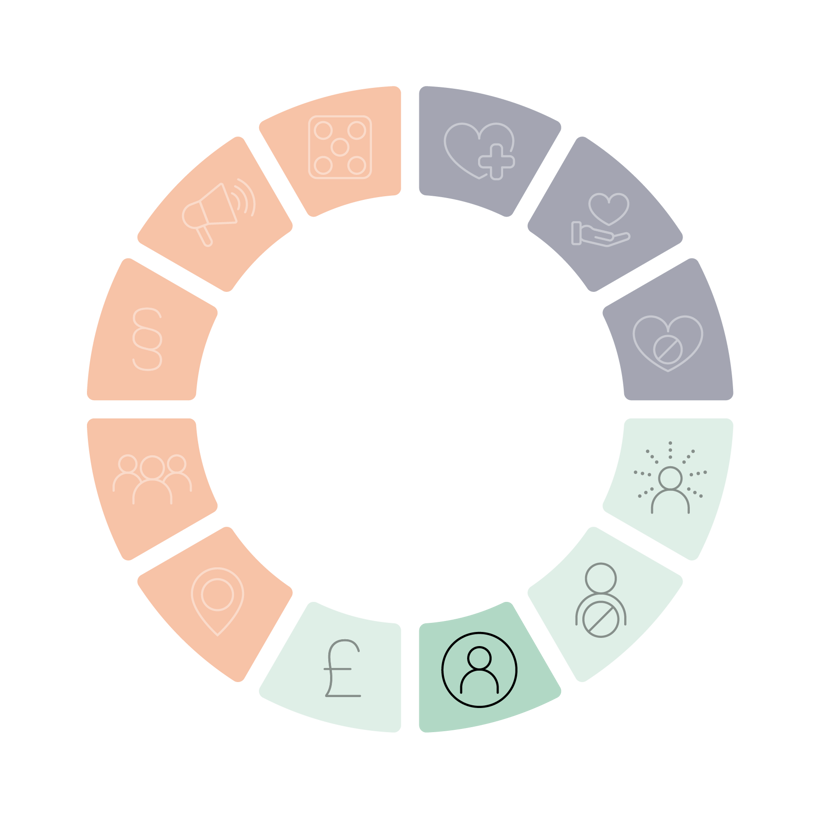
Lack of awareness about gambling risks can lead to harm, yet those most affected often know as little, or less, about available support compared to those less affected.
Increasing awareness of treatment and support options can help people access the right pathways for them.
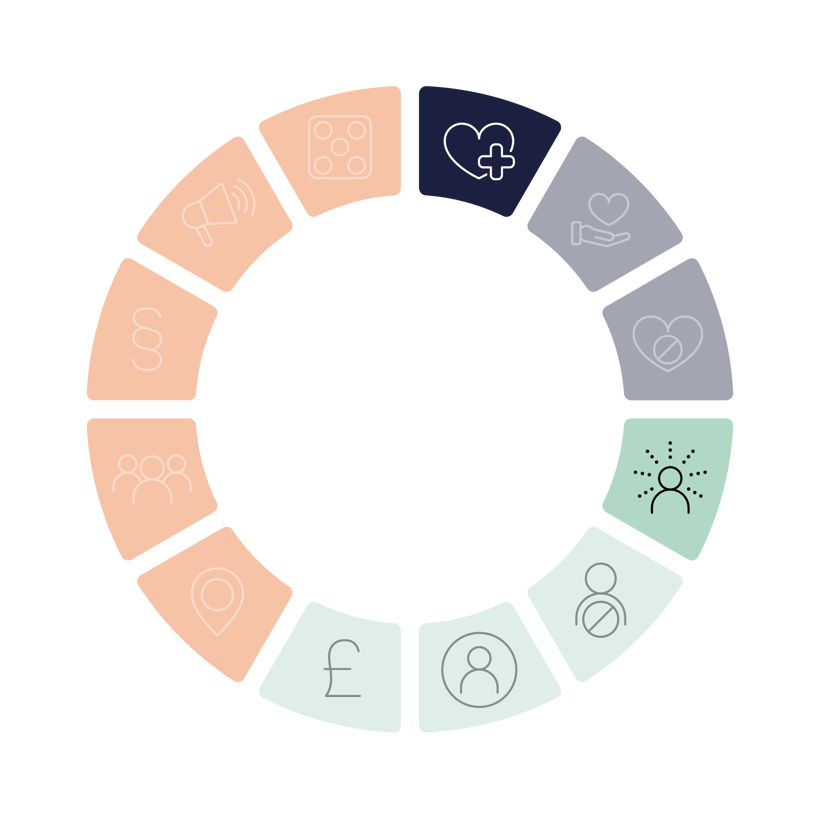
Experiencing stigma or discrimination, whether related to gambling or other aspects of identity, can worsen gambling harm and lead people to gamble as a way of coping with negative emotions.
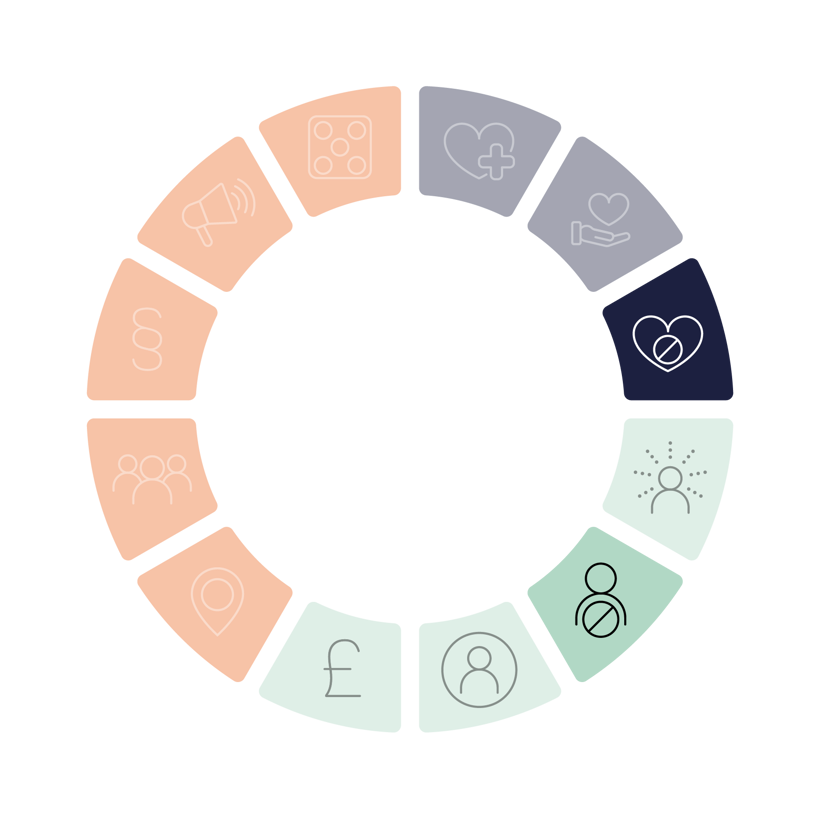
Support services not being tailored to cultural, gender-specific or structural needs and/or gambling being treated in isolation from associated harms is a large barrier.
Social exclusion and loneliness can lead people to gamble to socialise or cope with negative emotions.
Gambling venues and online platforms may initially feel like social spaces, but increased gambling activity can lead to financial harm. These harms are then often hidden due to fear of judgment.
Financial stress can push people toward gambling to ease pressure or supplement income, especially during unemployment or job instability.
However, chasing losses often worsens financial harm, leading to stress and emotional strain, which can be compounded by stigma (IFF Research et al., 2023; Weston-Stanley et al., 2025).

Support services that are not tailored to cultural, gender-specific or structural needs, or treat gambling harm in isolation to other broader issues can make people feel that support will not be relevant or work for them.
Explore further research on gambling harms as experienced by different communities, and what drives these harms, in our research publication library.


It looks like you’re outside Great Britain.
Unfortunately this service is for England, Scotland and Wales residents only. You can find out more about international support here.
Social inequalities
Social inequalities, also referred to in the Framework as 'inequalities in a person’s broader context', are the broader structural factors that can contribute to health inequality. These can increase the risk of gambling harms across the population.