Referring a patient into gambling support services
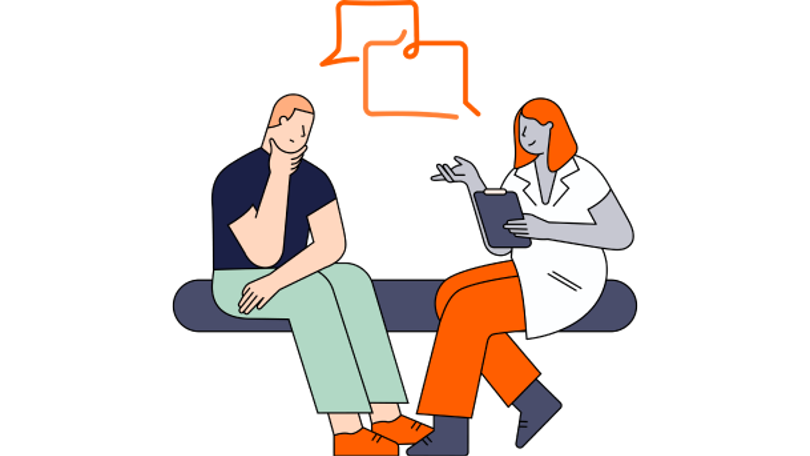

Some people may find it difficult to talk about their gambling. This can be for different reasons, including:
You can help by asking a simple, open question:
"Do you or someone close to you gamble, and is this affecting your wellbeing?"
People experiencing gambling harms sometimes struggle opening up to loved ones and may be more open discussing gambling in a health setting.
They may also not be aware that free support is available.
This page covers 3 steps you can take when referring a patient or client to gambling support services. This includes:
Gambling harms can be anything that negatively impacts the life of the person gambling, or the life of those around them.
People sometimes go to a healthcare professional if they need help with gambling related harms. The person might not be aware that gambling is the issue. They can often be preoccupied with other symptoms.
Recognising the signs of gambling harms will help you to offer the right support. Some of the common signs are:
If you need to talk to someone about their gambling, it's important to use language that is compassionate, supportive, and not stigmatising.
Stigma is a negative belief that a society or group of people have about something, which results in people being judged. Many people experiencing gambling harms experience shame or fear of disclosure due to stigma. This can stop them from seeking help.
Language plays a large role in driving stigma. When speaking to your patient, avoid using terms that reduce their identity to their gambling behaviour. For example, do not refer to them as a:
Instead, use compassionate and non-judgmental language. For example, describe them as a:

There are different types of free gambling support available. Patients can choose what feels appropriate for their situation and self-refer using our service finder.
Use this service finder to browse all free and confidential gambling support services, including NHS and other organisations.

Or
There are free gambling support helplines available 24 hours a day, 7 days a week for people in Great Britain.
If you live in England or Scotland, you can call 0808 8020 133.
If you live in Wales, you can call 0808 2819 265.
NHS services provide specialist treatment for people experiencing gambling harms.
This can include:
Referral routes may vary. Some services accept direct referrals, while others require referral through a GP.
Many charities, community and independent organisations offer free gambling support and treatment.
Support may include:
These services may offer flexible support and cover both earlier-stage and relapse prevention options.
