Gambling harm stigma
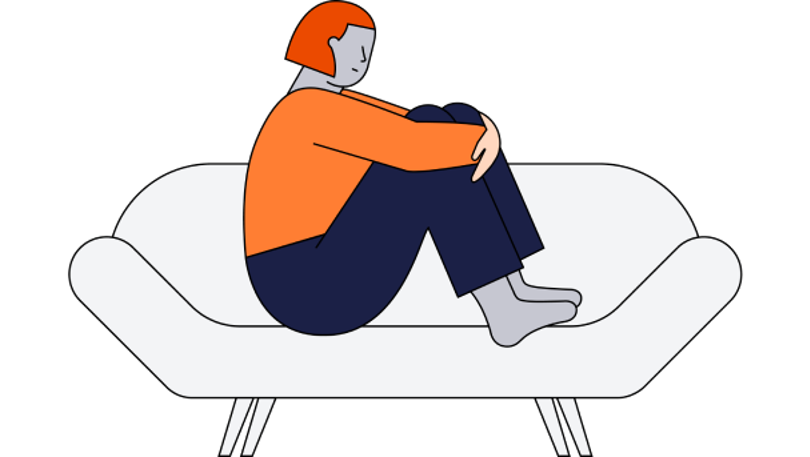
One of the biggest barriers to people getting help and talking openly about gambling is the worry that they’ll be judged by others. People sometimes feel judged because of the stigma around gambling harms.
Stigma is a negative belief that a society or group of people have about something, which often results in people being unfairly labelled or judged because of it. This stigma can stop people affected by gambling harms from getting the right support.
Problems with gambling are often viewed with less severity than other health issues and is often seen as a something that can easily be stopped. This is far from the truth, as there are many factors that impact people’s experience of gambling harms, including:
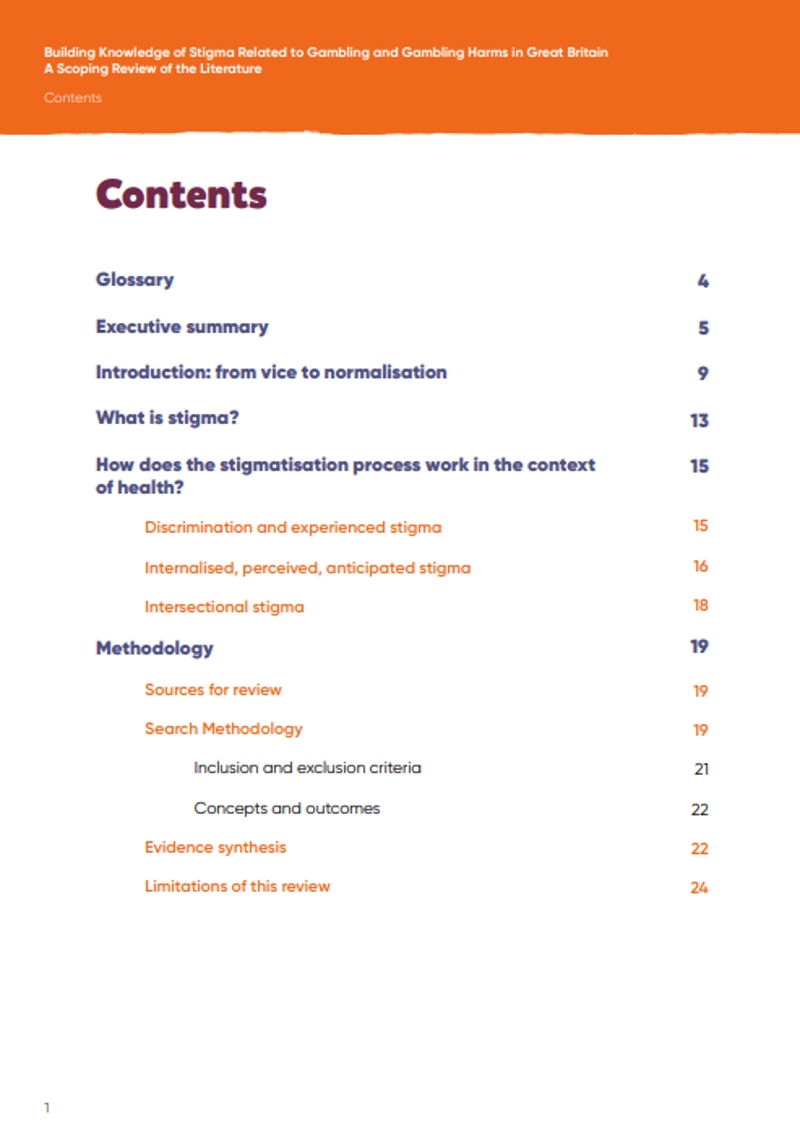
GambleAware commissioned independent research to build a deeper understanding of gambling harm stigma and the lived experiences of those affected in Great Britain.
Explore the research projects on stigmatisation and its effects on people experiencing gambling harms.




Two in three adults (64%) experiencing problems with gambling have never spoken about it to anyone
The findings from GambleAware’s research and campaigning on gambling harm stigma have directly contributed to the reduction of gambling harm stigma.
The national ‘Let’s Open Up About Gambling’ campaign challenged society’s perception of people experiencing gambling harms and presented seeking help as ‘normal’ behaviour and encouraged people to take action.
The campaign aimed to reach those experiencing at least moderate problems with their gambling (PGSI 3+), to encourage them to open up about gambling and seek advice by visiting our website for free advice, tools and support.
The stigma research demonstrated the high level of stigma towards those experiencing gambling harms in Great Britain. It showed the importance of tackling this stigma, because it prevents people acknowledging that they’re experiencing gambling harms, ‘coming out’ and seeking support. Stigma also causes harm in itself.
The research also helps identify what works best when trying to reduce stigma through communications. This includes using empathetic and non-judgemental language, using the voices of people with lived experience and encouraging conversations about gambling harm.
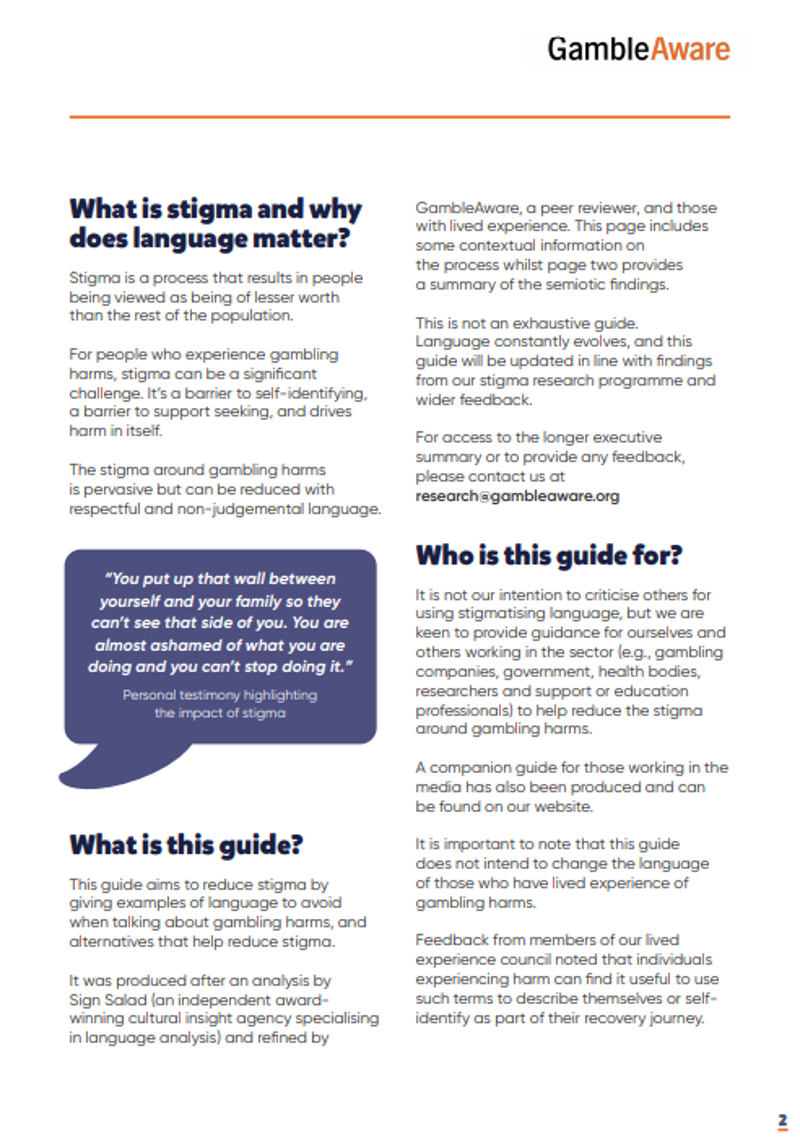
Our language guide shows how to reduce the stigma of gambling harms through language.

It looks like you’re outside Great Britain.
Unfortunately this service is for England, Scotland and Wales residents only. You can find out more about international support here.